



Whoa!
I remember holding my first crypto card and thinking it was magic.
The thing felt both fragile and impossibly durable at once.
At first I assumed plastic and simplicity meant convenience only, not real security, but then I dug deeper.
Initially I thought it was just a novelty product, but over months of testing I saw its strengths and clear limits, and my view shifted accordingly.
Seriously?
Yes — really.
Card-based wallets are different than bulky hardware devices in ways that matter for everyday use.
They tuck into your wallet like a credit card, they work over NFC with your phone, and they remove some common friction points that keep people away from cold storage.
On the other hand, that same simplicity introduces behavior risks if you treat the card too casually, which I noticed in real-world trials.
Wow!
Here’s what bugs me about typical hardware wallets.
They often assume the user will always act like a security researcher, which in my experience, most people do not.
So when a product like a thin NFC card lowers the activation friction, it actually increases adoption — and also raises new questions about backup, custody, and recovery that deserve careful attention.
I’ll be honest — I’m biased toward usability, but I still insist on proper cold storage practices because convenience without safety is just a recipe for loss.
Hmm…
My instinct said to worry about loss and damage, and that proved valid during a small real-world mishap.
One of my test cards slipped between couch cushions and got bent, and for a moment I thought I had lost everything.
Luckily the card’s design preserved the seed in tamper-resistant hardware, and I was able to recover funds using the documented recovery method, though the heart-skip during those few minutes was real.
On the flip side, that incident taught me that a thin physical form factor can be surprisingly robust when the crypto key never leaves secure element hardware.
Here’s the thing.
When evaluating card-based NFC wallets, look for a secure element chip, a hardened firmware model, and a well-documented recovery plan.
Those three things together reduce the usual trade-offs between convenience and security.
Also, check whether the card operates entirely offline for private key operations, because if signatures are created in hardware without exposing keys, you get cold-storage properties even while using your phone for the UI.
That tech detail is what separates a real cold wallet from a clever gadget pretending to be one.
Really?
Yes — some cards do pretend.
They outsource signing to a cloud service or rely on companion apps that leak metadata or keys unless you’re very careful.
My testing included probing for external dependencies and network calls during signing, and I would not trust a card that required any online handshake to produce a transaction signature.
Trust, in this context, means the private key cannot be extracted or reconstructed via software, a principle I keep returning to.
Whoa!
One practical win of NFC cards is how quickly they integrate into daily routines.
Tap, approve, done — no cables, no pins to memorize, and no fumbling with tiny screens when you’re on the road.
That ease is a double-edged sword though, because if you hand your phone to someone, a short distraction can result in an accidental approval unless safeguards are strong.
So again, balance: usability paired with confirmation steps and timeouts is the safe sweet spot.
Hmm…
On a technical level, I was impressed with the secure element approach where every cryptographic operation stays in-chip.
The hardware signs without exposing the private keys and keeps sensitive operations atomic, which aligns with how we think about cold storage in the industry.
But actually, wait—let me rephrase that: the secure element is necessary but not sufficient, because the firmware, manufacturing trust, and supply chain controls also matter a great deal.
Ultimately you want a product audited or at least transparent about those processes, because hardware is as much about design rigor as it is about clever marketing.
Wow!
I recommend digging into the recovery flow before you buy anything.
Some card wallets give you a simple recovery code printed or stored offline, while others rely on multi-card backups or Shamir-like splits.
My personal preference is a documented, user-verifiable recovery method that’s resilient to a single point of failure, and I’m biased toward schemes that require no centralized service to restore keys.
That way, if you lose or damage one card, you can recover without calling support or exposing your seed to third parties.
Seriously?
Yes—this matters more than aesthetics.
Design is crucial, but when a shiny card can’t give you a trustworthy restore, the shine fades fast.
On that note I found one card I liked for its industrial design but disliked its backup assumptions, and I ended up moving to a different solution for production use.
Real-world constraints — family members, travel, pets — make recovery options a top priority for me.
Hmm…
On the integration side, NFC wallets play nicely with modern smartphones, but compatibility is uneven across platforms and models.
Android generally offers broader NFC support, while iOS has improved but still restricts certain low-level interactions depending on OS versions and device models.
So before committing, verify the card’s compatibility list and test with your phone if possible, because nothing kills confidence faster than a feature that works only on paper or in a lab.
Pro tip: try the acceptance flow in a store or cafe during a short test to see how it behaves in the wild.
Here’s the thing.
If you want a balanced, practical option that lives in your wallet without turning your life into a security circus, look at reputable NFC cards that prioritize on-card signing and support straightforward recovery.
One product line that fits this pattern in my experience is the tangem wallet, which blends card-form convenience with secure element protections and straightforward backup workflows, and you can read more about it directly at tangem wallet.
I’m not selling anything here; I’m sharing what I use and test repeatedly, and tangem’s approach resonated with my priorities during months of hands-on evaluation.
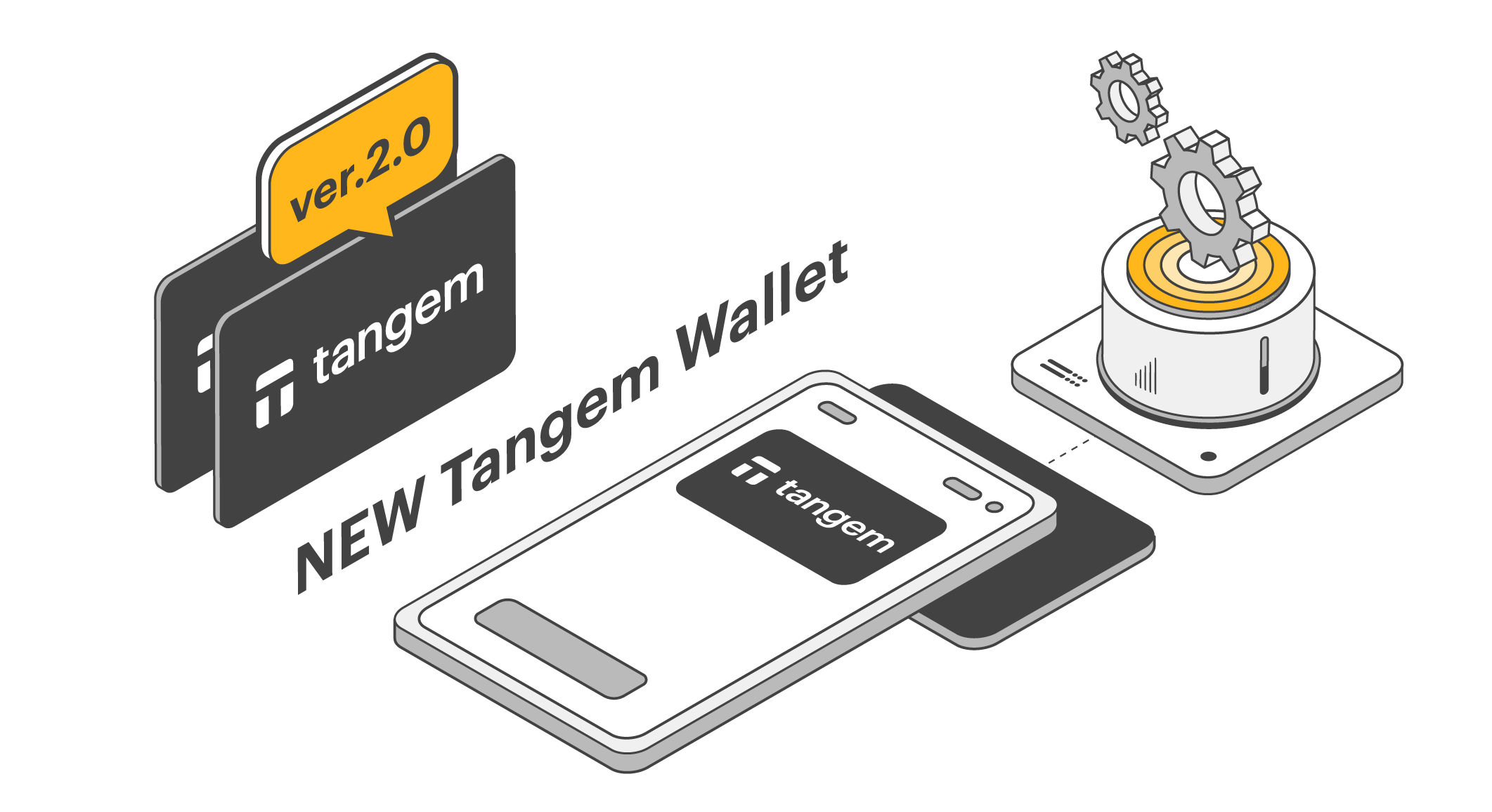
Practical checklist before buying a card-based cold wallet
Wow!
Check the secure element and on-card signing abilities first.
Verify recovery options and whether they need a third party.
Confirm phone compatibility and test the user flow in real conditions.
Ask about audits, firmware update policies, and how the manufacturer handles lost or damaged cards.
Really?
Yes — one more detail: think about who else might need access.
If you’re planning shared custody with a spouse or a business partner, multi-signature or key-splitting methods can be safer than a single physical card kept in one place.
On one hand, a single card is elegant; though actually, for larger sums or legacy planning, distributed custody is wiser if you can manage the complexity.
My experience is that families often undervalue recoverability until they experience a close call, so plan early.
Hmm…
Security theater is real and tempting — ledger-sized safes, vaults, and elaborate rituals — but practicality wins most days.
Somethin’ as simple as knowing where your recovery code is kept, or carrying a backup card in a separate place, will save more people than complicated rituals that are hard to maintain.
That said, don’t let simplicity blind you to supply chain risks; verify provenance and prefer vendors with clear manufacturing stories and anti-tamper measures.
A good product makes the right behavior the easy behavior, which is the whole point of thoughtful secure design.
Common questions people actually ask
Can a card-based wallet be true cold storage?
Yes — if the private key never leaves the secure element and all signing happens on-card without network exposure, it functions as cold storage in practice; the difference is physical form factor, not the core cryptographic property.
What if I lose the card?
Recover using the documented recovery method or backup cards; that’s why testing and verifying your recovery flow before funding the wallet is non-negotiable.
Is NFC safe for high-value wallets?
NFC itself is just a transport; the security depends on the secure element, firmware, and how approvals are implemented — with proper design, NFC can be as safe as other cold storage methods.


