





Okay, so check this out—I’ve been poking around Solana explorers for years now, and somethin’ about them keeps surprising me. Whoa! The basics are simple to say: transactions move SOL, smart contracts run, and explorers let you watch it all. At first glance it looks like a feed of numbers. But when you actually dig in, you find the story behind each slot and signature, and that context changes how you act on-chain.
My instinct said: start with the transaction view. Hmm… It’s the quickest ticket to understanding cost, status, and program interactions. Really? Yes. A transaction page shows signatures, fee breakdown, instructions, and logs, and that combination is gold for troubleshooting. For developers and serious users alike, those logs are where the fingerprints live—so learn to read them.
Here’s the thing. Not all explorers are created equal. Some give raw data and leave you to your own devices. Others layer analytics, charts, and token metadata on top, which makes it easier to spot patterns and weird behavior without building a custom indexer. Initially I thought the extra bells were fluff, but then I watched a failed swap trace and the extra context saved me from a costly repetition of the same mistake.
Solana’s architecture matters. Short confirmation times. High throughput. Low fees (usually). These facts influence how you interpret explorer data. On-chain activity that looks alarming on Ethereum may be normal on Solana. On one hand speed reduces waiting. On the other hand, that speed hides congestion spikes until they matter. So you need evidence, not gut feelings—though the gut will tell you somethin’ first, and that’s okay.
When you’re investigating a wallet or mint, start with signature history. Then expand into recent transactions and inner instructions. The replay of inner instructions often holds the key. I get a little obsessive here. Not proud of it, but when you’re debugging, obsession helps.
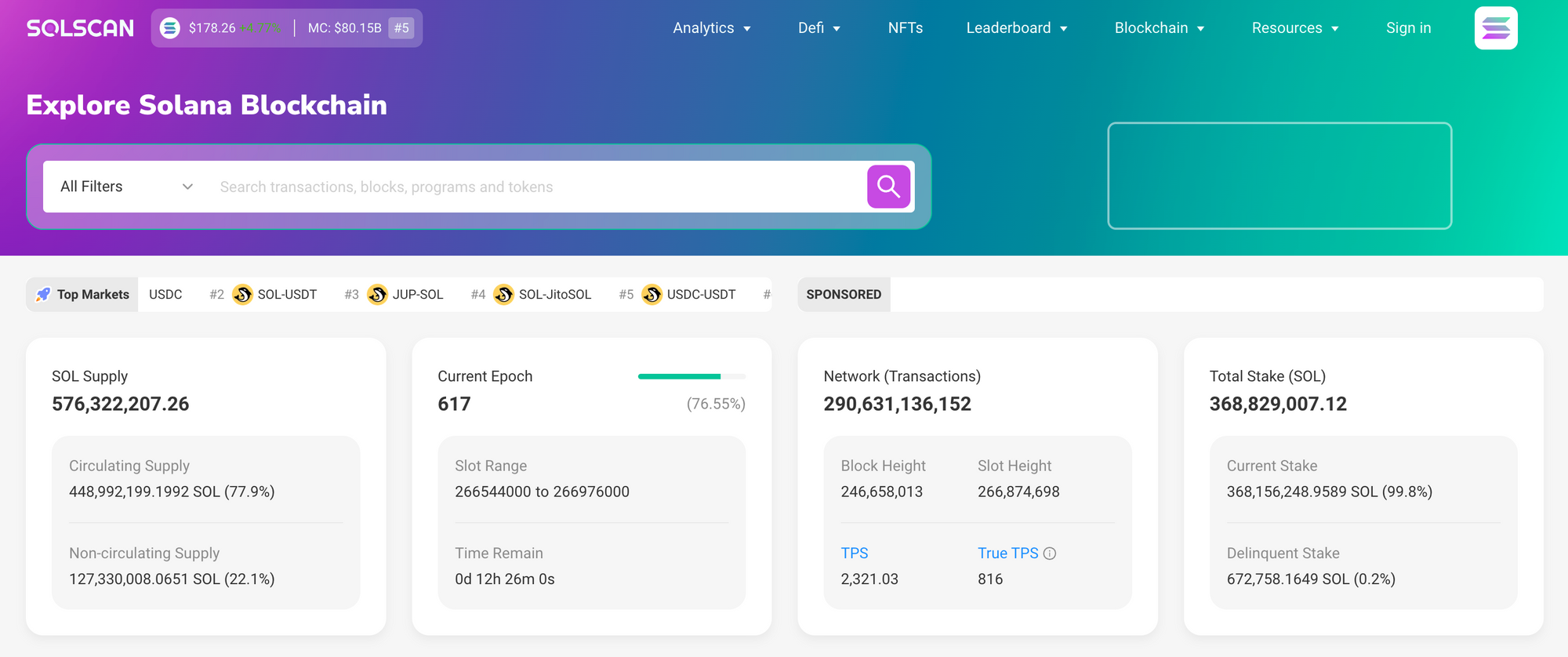
Which explorer to use and when — see this one for a fast look
I’m biased, but I like explorers that mix raw chain data with approachable analytics and a clean UI. Check this one here if you want a practical example of that blend. That link isn’t an endorsement of perfection. It’s simply a pointer to a tool that helped me trace cross-program invocations without writing code.
Alright—practical checklist. First, confirm transaction status. If it’s confirmed or finalized, note the block time. Then check the fee payer and fee amount. Medium-level users often forget to check rent-exemption impacts for account creation, which leads to weird failed transactions later. Something that bugs me is when people look only at SOL movement and ignore token transfers encoded in inner instructions… ugh.
Next, examine program IDs. Common programs (like SPL Token program, Serum, Raydium, or your favorite DEX) have recognizable patterns. If you see an unfamiliar program ID, copy it and search its recent activity to learn what it’s doing. This step is crucial because malicious or malfunctioning programs can present as normal transfers at first glance. On one occasion I traced a rug pull by following an odd program ID to a series of repetitive token mints; that pattern gave me the warning I needed to pull funds.
Analytics help at scale. Want to know if a whale is accumulating? Look at token transfer heatmaps and concentration metrics. Want to detect frontrunning or sandwich attempts? Examine the memos, compute units, and close block timing across swaps. Some of this requires tooling beyond a simple explorer page, but many explorers now surface those signals directly in dashboard views.
Now, a caveat. Explorers show what the blockchain recorded, not why a developer wrote a program a certain way. Sometimes logs are cryptic. Sometimes indices are delayed. So cross-check and, where possible, validate against on-chain program source if it’s available. On the other hand, most of the time explorers provide enough to make sound decisions quickly, which is why I use them daily for monitoring and triage.
Pro tips from the trenches: bookmark signatures you care about. Use search filters—like program ID, token mint, or slot range—to narrow noise. Export CSVs for longer analysis. And set up alerts if the explorer supports webhooks or push notifications; those are lifesavers during highly volatile airdrops or launches. Oh, and by the way, don’t ignore the memos—developers sometimes stash human-readable notes there, and those notes can save hours of head-scratching.
One contradiction worth mentioning: speed versus depth. Fast explorers show recent transactions instantly but sometimes sacrifice deep historical analytics. The heavy analytics platforms take longer to index. So actually, wait—let me rephrase that—use both. Real-time explorers for immediate situational awareness, and analytics platforms for trend analysis and historical research.
Security checks are underrated. Look for odd account closures, unusually large fee spikes, or repeated CPI (cross-program invocation) patterns. If you see a lot of account-creations with tiny balances, that could be a bot-driven airdrop farming ring. On the flip side, legitimate protocols often bootstrap liquidity this way, so context matters. I’m not 100% sure on thresholds—thresholds move over time—but patterns jump out once you spend a week eyeballing them.
FAQ
How do I read a failed transaction?
Look at the error logs in the transaction details. The logs often contain Rust panic messages or program-returned error codes. If the message is cryptic, copy the program ID and search its repo or docs. Also check compute units consumed and whether account rent-exemption or missing signers caused the failure.
Why does a transaction show as confirmed but not finalized?
Confirmed means the cluster has processed it with some confidence. Finalized means the leader for that slot has been rooted and it’s unlikely to be rolled back. In fast-moving windows, confirmed may be enough for small amounts, but for large transfers or contract state changes, wait for finalized if possible.
Can explorers help detect scams?
Yes, they can surface suspicious patterns like token mints with immediate liquidity pulls, repeated transfers to new accounts, or sudden ownership changes. But explorers are a tool, not a silver bullet. Combine on-chain evidence with off-chain signals like social chatter and audits.


